Mutual Divorce Process in Chennai (2026) | Step-by-Step Legal Guide
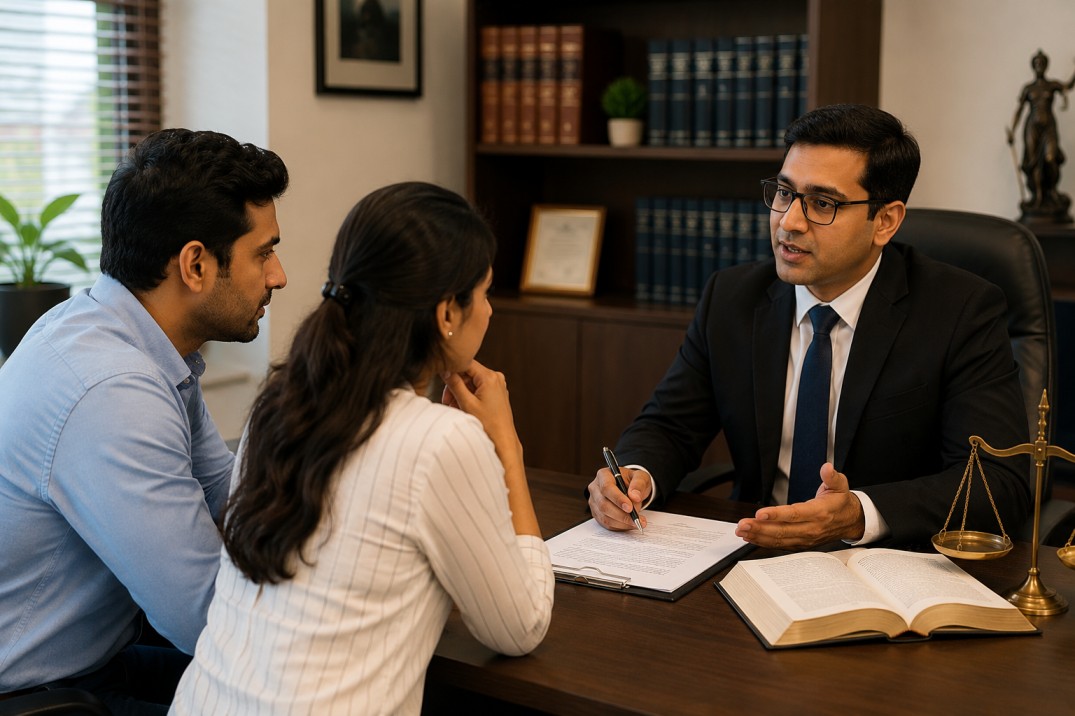
Mutual Divorce Process in Chennai: Step-by-Step Guide (2026)
Divorce can be emotionally challenging, but when both spouses mutually agree to end their marriage, the legal process becomes much smoother. Mutual consent divorce is considered the fastest and least stressful way to dissolve a marriage in India. For couples in Chennai seeking an amicable separation, understanding the legal procedure can help avoid delays and complications.
At M Lawyer, Chennai, our experienced divorce lawyers assist clients through every stage of the mutual divorce process, ensuring legal compliance while protecting their interests.
What is Mutual Divorce?
Mutual divorce, also known as mutual consent divorce, occurs when both husband and wife agree that their marriage has irretrievably broken down and they wish to separate peacefully. Under Section 13B of the Hindu Marriage Act, 1955, eligible couples can jointly file a divorce petition before the Family Court. The process generally involves two motions and requires agreement on matters such as maintenance, child custody, visitation rights, and property settlement.
Eligibility for Mutual Divorce in Chennai
To file for mutual consent divorce, the following conditions are generally required:
- Husband and wife have been living separately for at least one year.
- Both parties mutually agree to end the marriage.
- There is no possibility of reconciliation.
- Issues relating to alimony, child custody, and property division have been settled mutually.
- Permanent alimony or maintenance
- Child custody and visitation rights
- Division of jointly owned assets
- Return of jewellery, gifts, or stridhan
- Any other financial settlements
- Marriage Certificate
- Wedding photographs
- Aadhaar Card or identity proof of both spouses
- Address proof
- Passport-sized photographs
- Proof of separate residence (if available)
- Income proof and financial documents
- Settlement agreement regarding alimony, custody, and property matters
- With waiver of cooling-off period: 2 to 6 months
- Without waiver: 6 to 12 months or more
- Physical custody
- Joint custody arrangements
- Educational expenses
- Medical expenses
- Visitation rights
- One-time lump sum settlement
- Monthly maintenance payments
- Waiver of maintenance
- Confidential legal consultations
- Mutual divorce petition drafting
- Court representation before Chennai Family Courts
- Alimony and settlement negotiations
- Child custody assistance
- Fast and hassle-free legal support
Step-by-Step Mutual Divorce Process in Chennai
Step 1: Consult an Experienced Divorce Lawyer
The first step is to consult a qualified divorce lawyer in Chennai. The lawyer will review your circumstances, explain legal rights, prepare the required documents, and draft the mutual consent divorce petition.
Step 2: Prepare a Settlement Agreement
Before filing the case, both spouses should agree on:
Having a clear settlement agreement reduces future disputes and speeds up the process.
Step 3: Filing the First Motion Petition
A joint petition is filed before the Family Court having jurisdiction over the marriage. Both spouses must appear before the court and submit statements confirming that they wish to dissolve the marriage by mutual consent.
Step 4: Court Verification and Counselling
The Family Court may conduct counselling or mediation sessions to determine whether reconciliation is possible. If the court is satisfied that the decision is voluntary and genuine, it records the statements of both parties.
Step 5: Cooling-Off Period
Traditionally, a six-month cooling-off period is provided after the first motion. However, courts may waive this waiting period if there is no possibility of reconciliation and all disputes have already been settled between the parties. Recent judicial decisions continue to support waiver of the cooling-off period in appropriate cases.
Step 6: Filing the Second Motion
After completion or waiver of the cooling-off period, both spouses appear before the court again and confirm their intention to proceed with the divorce.
The court reviews all documents, verifies mutual consent, and ensures that the settlement is fair and voluntary.
Step 7: Grant of Divorce Decree
Once the court is satisfied with the legal requirements, it grants the final decree of divorce. The marriage is legally dissolved from the date of the decree.
Documents Required for Mutual Divorce in Chennai
The following documents are generally required:
Additional documents may be required depending on the specific facts of the case.
How Long Does a Mutual Divorce Take in Chennai?
The timeline depends on court schedules, settlement terms, and whether the cooling-off period is waived.
Generally:
Each case is unique, and timelines may vary based on court proceedings and documentation.
Child Custody in Mutual Divorce Cases
When children are involved, both parents must mutually decide:
The Family Court always prioritizes the welfare and best interests of the child before approving custody arrangements.
Alimony and Maintenance
Spouses may agree upon:
The terms should be clearly recorded in the settlement agreement to avoid future disputes.
Why Choose M Lawyer for Mutual Divorce Cases in Chennai?
At M Lawyer, Chennai, we understand that divorce is a sensitive matter requiring both legal expertise and practical guidance. Our family law advocates provide:
Frequently Asked Questions (FAQs)
Can mutual divorce be completed without court appearances?
No. Both spouses generally need to appear before the Family Court during the required stages of the proceedings.
Can the six-month waiting period be waived?
Yes. Courts may waive the cooling-off period if reconciliation is impossible and all issues are already settled.
Is mutual divorce faster than contested divorce?
Yes. Mutual divorce is usually faster, less expensive, and less stressful than contested divorce proceedings.
Can NRI couples file mutual divorce in Chennai?
Yes. NRI couples may file mutual divorce petitions subject to jurisdiction and applicable legal requirements.
Conclusion
Mutual consent divorce offers couples a practical and dignified way to end a marriage without prolonged litigation. Understanding the legal procedure, documentation, and court requirements can significantly reduce delays. If you are considering a mutual divorce in Chennai, obtaining professional legal guidance can help ensure a smooth and legally compliant process.
For expert assistance with mutual divorce, child custody, maintenance, and family law matters, contact M Lawyer, Chennai, for a confidential consultation.